BlueKit Software Inc.
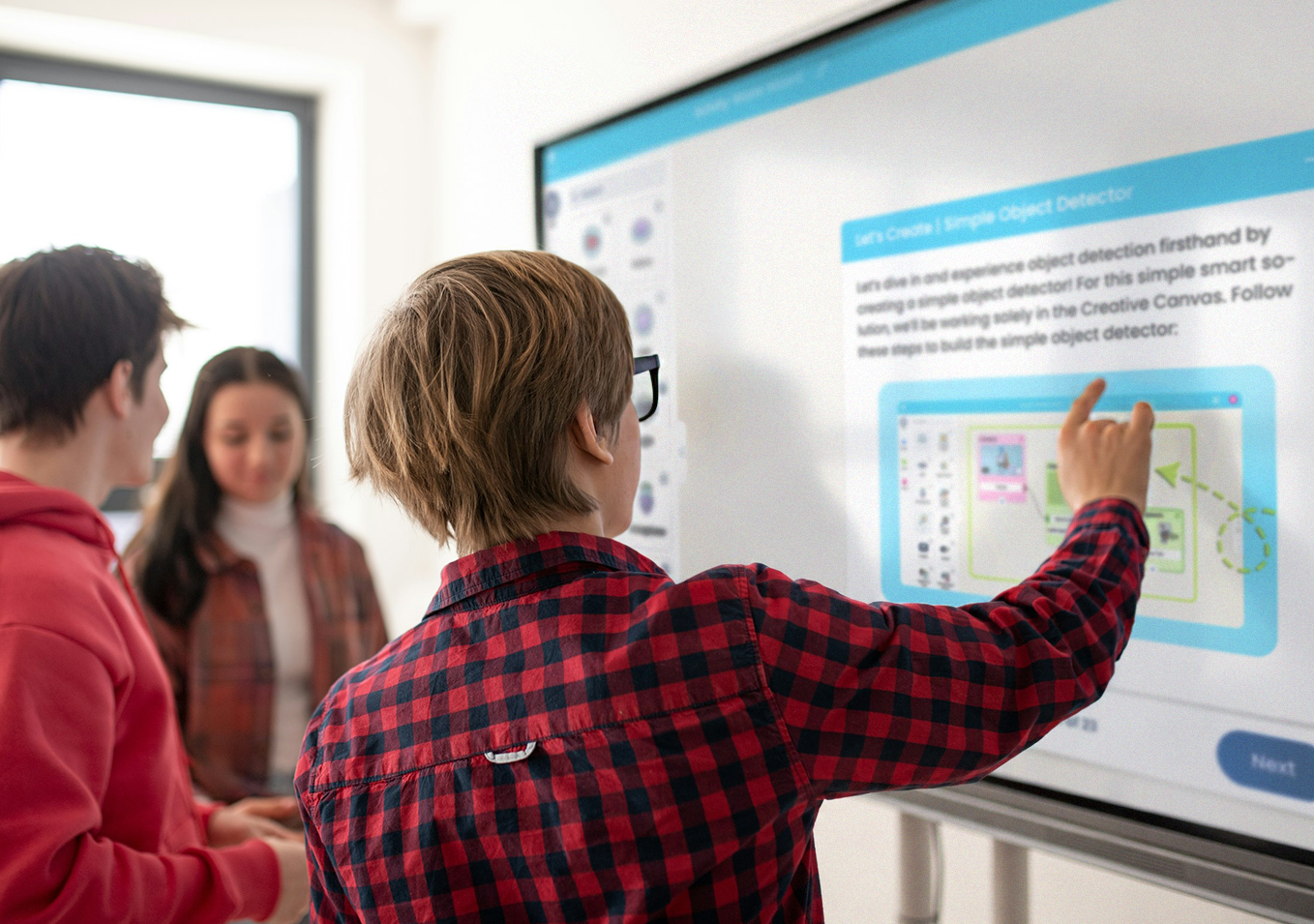
Today’s students grow up in a world powered by technology. They interact with smartphones, artificial intelligence, automation, smart devices, and digital systems every single day. Technology influences how they communicate, learn, shop, travel, and work. But despite being constantly connected, many students are only learning how to use technology — not how to understand, build, or apply it.
They are becoming consumers instead of creators. And as industries rapidly evolve, that gap is becoming more important than ever.
Many schools want to introduce emerging technology learning but face significant challenges.
Programs are often limited by:
For educators without a technical background, teaching advanced technology concepts can feel intimidating or inaccessible.
As a result, many students never get the opportunity to explore:
At the same time, many classrooms still separate technology learning from real career pathways and workforce applications.
The future workforce is changing rapidly. Industries across healthcare, agriculture, manufacturing, transportation, infrastructure, environmental science, and business are increasingly powered by:
Yet many students still graduate without understanding how these systems work or how they connect to real careers.
That’s why Career and Technical Education (CTE) and workforce readiness are becoming more important than ever.
Students need opportunities to:
Technology education should not just prepare students for tests — it should prepare them for the real world.
Students learn best when they actively create, experiment, and solve problems. Hands-on learning transforms technology from something abstract into something meaningful and memorable.
Instead of simply reading about systems, students can:
This approach helps students develop critical workforce skills including:
Most importantly, it helps students begin to see themselves as innovators, creators, and future leaders.
Technology learning should not be limited to advanced coding programs or specialized schools. Every student deserves access to meaningful technology education — regardless of experience level, background, or career interests.
That means creating experiences that are:
When barriers are lowered, more students can discover interests and talents they may never have explored otherwise.
And when classrooms connect learning to real industries and workforce pathways, students gain a stronger sense of purpose and possibility.
It should empower them to:
Whether students pursue careers in skilled trades, healthcare, engineering, manufacturing, agriculture, business, or entrepreneurship, technology literacy is becoming essential everywhere.
The next generation will inherit a world deeply connected to technology. They deserve opportunities to build the skills, confidence, and creativity needed to shape it.
Education is evolving, and technology learning must evolve with it.
By making technology education more accessible, hands-on, and connected to real workforce experiences, schools can help students move beyond simply consuming technology and begin creating with it.
The future belongs to problem solvers, innovators, and creators. And those opportunities should start in the classroom.